| From | Time (HH:MM) |
|---|
City metro guide
Delhi Metro Routes, Fares & Station Guide
A dedicated landing page for Delhi Metro with route planning, fare slabs, station details, and visitor-friendly internal links.
Select Guide Section:
Plan a route in Delhi Metro
The city is preselected for faster route planning and stronger SEO relevance.
Quick Transit Stats
Stations
252
Stations indexed
Wait time
4 min
Average interval
Transfer
5 min
Penalty penalty
Fare Slabs
6
Ticket segments
Train Timetable
First and last train information for Delhi Metro route pairs.
Last train
Night departures
| From | Time (HH:MM) |
|---|
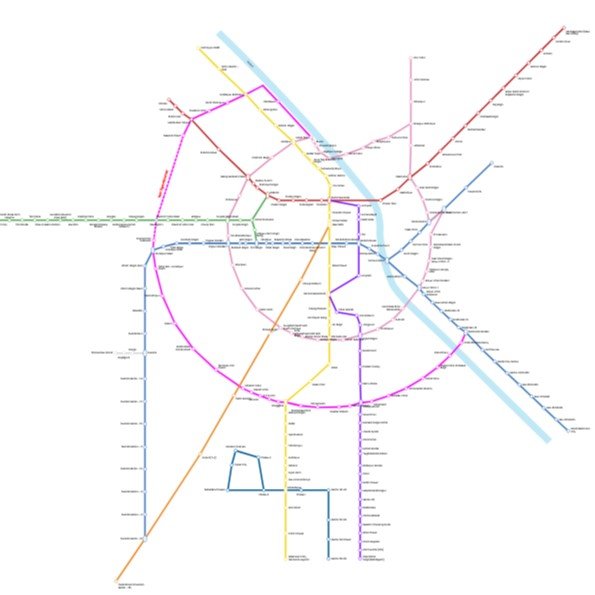
Metro lines & stations
A cleaner network overview with colored line chips and station lists.
Red Line
0 stations connected on this corridor
Yellow Line
37 stations connected on this corridor
Samaypur Badli
Rohini Sector 18-19
Haiderpur Badli Mor
Jahangirpuri
Adarsh Nagar
Azadpur
Model Town
GTB Nagar
Vishwavidyalaya
Vidhan Sabha
Civil Lines
Kashmere Gate
Chandni Chowk
Chawri Bazar
New Delhi
Rajiv Chowk
Patel Chowk
Central Secretariat
Udyog Bhawan
Race Course
Jor Bagh
INA
AIIMS
Green Park
Hauz Khas
Malviya Nagar
Saket
Qutab Minar
Chhatarpur
Sultanpur
Ghitorni
Arjan Garh
Guru Dronacharya
Sikanderpur
MG Road
IFFCO Chowk
Millennium City Centre Gurugram
Blue Line
50 stations connected on this corridor
Dwarka Sector 21
Dwarka Sector 8
Dwarka Sector 9
Dwarka Sector 10
Dwarka Sector 11
Dwarka Sector 12
Dwarka Sector 13
Dwarka Sector 14
Dwarka
Dwarka Mor
Nawada
Uttam Nagar West
Uttam Nagar East
Janakpuri West
Janakpuri East
Tilak Nagar
Subhash Nagar
Tagore Garden
Rajouri Garden
Ramesh Nagar
Moti Nagar
Kirti Nagar
Shadipur
Patel Nagar
Rajendra Place
Karol Bagh
Jhandewalan
RK Ashram Marg
Rajiv Chowk
Barakhamba Road
Mandi House
Supreme Court
Indraprastha
Yamuna Bank
Akshardham
Mayur Vihar Phase 1
Mayur Vihar Extension
New Ashok Nagar
Noida Sector 15
Noida Sector 16
Noida Sector 18
Botanical Garden
Golf Course
Noida City Centre
Noida Sector 34
Noida Sector 52
Noida Sector 61
Noida Sector 59
Noida Sector 62
Noida Electronic City
Blue Branch Line
8 stations connected on this corridor
Yamuna Bank
Laxmi Nagar
Nirman Vihar
Preet Vihar
Karkarduma
Anand Vihar ISBT
Kaushambi
Vaishali
Green Line
23 stations connected on this corridor
Kirti Nagar
Satguru Ram Singh Marg
Inderlok
Ashok Park Main
Punjabi Bagh
Shivaji Park
Madipur
Paschim Vihar East
Paschim Vihar West
Peeragarhi
Udyog Nagar
Maharaja Surajmal Stadium
Nangloi
Nangloi Railway Station
Rajdhani Park
Mundka
Mundka Industrial Area
Ghevra Metro Station
Tikri Kalan
Tikri Border
Pandit Shree Ram Sharma
Bahadurgarh City
Brigadier Hoshiar Singh
Violet Line
34 stations connected on this corridor
Kashmere Gate
Lal Qila
Jama Masjid
Delhi Gate
ITO
Mandi House
Janpath
Central Secretariat
Khan Market
JLN Stadium
Jangpura
Lajpat Nagar
Moolchand
Kailash Colony
Nehru Place
Kalkaji Mandir
Govind Puri
Harkesh Nagar Okhla
Jasola Apollo
Sarita Vihar
Mohan Estate
Tughlakabad Station
Badarpur Border
Sarai
NHPC Chowk
Mewla Maharajpur
Sector 28
Badkal Mor
Old Faridabad
Neelam Chowk Ajronda
Bata Chowk
Escorts Mujesar
Sant Surdas Sihi
Raja Nahar Singh Ballabhgarh
Pink Line
38 stations connected on this corridor
Majlis Park
Azadpur
Shalimar Bagh
Netaji Subhash Place
Shakurpur
Punjabi Bagh West
ESI Hospital
Rajouri Garden
Mayapuri
Naraina Vihar
Delhi Cantt
Durgabai Deshmukh South Campus
Sir M Vishweshwaraiah Moti Bagh
Bhikaji Cama Place
Sarojini Nagar
Dilli Haat INA
South Extension
Lajpat Nagar
Vinobapuri
Ashram
Sarai Kale Khan Nizamuddin
Mayur Vihar Phase 1
Mayur Vihar Pocket 1
Trilokpuri Sanjay Lake
East Vinod Nagar Mayur Vihar 2
Mandawali West Vinod Nagar
IP Extension
Anand Vihar ISBT
Karkarduma
Karkarduma Court
Krishna Nagar
East Azad Nagar
Welcome
Jaffrabad
Maujpur Babarpur
Gokulpuri
Johri Enclave
Shiv Vihar
Magenta Line
25 stations connected on this corridor
Janakpuri West
Dabri Mor Janakpuri South
Dashrath Puri
Palam
Sadar Bazaar Cantonment
Terminal 1 IGI Airport
Shankar Vihar
Vasant Vihar
Munirka
RK Puram
IIT Delhi
Hauz Khas
Panchsheel Park
Chirag Delhi
Greater Kailash
Nehru Enclave
Kalkaji Mandir
Okhla NSIC
Sukhdev Vihar
Jamia Millia Islamia
Okhla Vihar
Jasola Vihar Shaheen Bagh
Kalindi Kunj
Okhla Bird Sanctuary
Botanical Garden
Airport Express Line
7 stations connected on this corridor
New Delhi
Shivaji Stadium
Dhaula Kuan
Delhi Aerocity
IGI Airport
Dwarka Sector 21
Yashobhoomi Dwarka Sector 25
Grey Line
4 stations connected on this corridor
Dwarka
Nangli
Najafgarh
Dhansa Bus Stand
Aqua Line
21 stations connected on this corridor
Noida Sector 51
Noida Sector 50
Noida Sector 76
Noida Sector 101
Noida Sector 81
NSEZ
Noida Sector 83
Noida Sector 137
Noida Sector 142
Noida Sector 143
Noida Sector 144
Noida Sector 145
Noida Sector 146
Noida Sector 147
Noida Sector 148
Knowledge Park II
Pari Chowk
Alpha 1
Delta 1
GNIDA Office
Depot Station
Rapid Metro
7 stations connected on this corridor
Sikanderpur
Belvedere Towers
Cyber City
Moulsari Avenue
Phase 1
Phase 2
Phase 3
Frequently searched stations
Select a station to view details.
Popular links
Internal navigation links.
Network guide
Delhi Metro — commuter guide
Essential information for planning travel on Delhi Metro.
Delhi Metro Network
Delhi Metro is the largest rapid transit system in India, operating 12 colour-coded lines across 252 stations covering a combined route length exceeding 390 km. The network spans six administrative boundaries — Delhi, Gurugram, Faridabad, Noida, Greater Noida, and Ghaziabad — making it the only metro system in the country with true NCR-wide reach. The Airport Express Line (Orange Line) operates as a high-speed, stand-alone corridor from New Delhi to IGI Airport Terminal 3, with limited intermediate stops and a separate fare structure. DMRC runs unattended automated train operations on select newer lines.
Key areas connected
Connaught Place (Rajiv Chowk, Patel Chowk), Old Delhi markets (Chandni Chowk, Chawri Bazar, Jama Masjid), South Delhi medical belt (AIIMS, Green Park, Safdarjung area via Yellow Line), institutional zone (IIT Delhi, Hauz Khas on Magenta Line), government quarter (Central Secretariat, Udyog Bhawan), Dwarka sub-city (Sectors 8–21 on Blue Line), Rohini (Red Line), Noida IT corridor (Sectors 15–62 on Blue Line), Gurugram Cyber City and Sikanderpur (via Yellow and Rapid Metro), and Faridabad's Ballabhgarh terminal on the Violet Line.
Airport, railway and bus connectivity
IGI Airport Terminal 3 is served directly by the Orange Line Airport Express (IGI Airport station), with Terminal 1 accessible via the Magenta Line (Terminal 1 IGI Airport station). New Delhi Railway Station is connected to both the Yellow Line (New Delhi station) and the Airport Express Line from the same station, with a dedicated check-in facility inside. Hazrat Nizamuddin Railway Station is accessible via the Pink Line (Sarai Kale Khan Nizamuddin station). Anand Vihar ISBT is integrated with the Blue Branch Line and Pink Line. Kashmere Gate ISBT is directly below the Kashmere Gate interchange station.
Major interchange stations
Kashmere Gate is the only station in the DMRC network where three lines meet — Red, Yellow, and Violet Lines — directly above the Kashmere Gate ISBT. Rajiv Chowk connects the Yellow and Blue Lines at the geographic centre of Connaught Place, making it the highest-footfall station. Hauz Khas links the Yellow and Magenta Lines, serving South Delhi's educational and commercial zone. Kalkaji Mandir connects the Violet and Magenta Lines. Botanical Garden links the Blue Line to the Magenta Line. Janakpuri West joins the Blue and Magenta Lines. Yamuna Bank is the split-point for the Blue Line's Noida and Vaishali branches.
Popular route searches
Rajiv Chowk to IGI Airport — Yellow Line to New Delhi, then Orange Line Airport Express (fastest option). Kashmere Gate to Connaught Place — Yellow Line, 4 stations south. Noida Sector 18 to Gurugram Sikanderpur — Blue Line to Rajiv Chowk, then Yellow Line south. IIT Delhi to Hazrat Nizamuddin — Magenta Line to Sarai Kale Khan Nizamuddin. Anand Vihar to Dwarka Sector 21 — Blue Branch Line to Yamuna Bank, then Blue Line west. Dilshad Garden to Central Secretariat — Red Line to Kashmere Gate, then Yellow Line.
Commuter insights
The Yellow Line between Rajiv Chowk and AIIMS carries the heaviest peak-hour load — trains fill to capacity between 08:30 and 10:00 AM southbound and 17:30–19:30 northbound. The Airport Express Line is consistently the least crowded corridor and offers the fastest point-to-point connection between New Delhi station and T3 (under 20 minutes). Smart card holders receive a 10% fare discount across the entire DMRC network. The Grey Line to Najafgarh and Dhansa Bus Stand sees lighter usage but connects south-west Delhi to the broader Blue Line at Dwarka.
Frequently Asked Questions (FAQs)
Essential questions answered about the Delhi Metro network.
Which is the only Delhi Metro station connecting three different lines? ▼
Kashmere Gate is the sole three-line junction in the entire DMRC network — the Red Line (Dilshad Garden to Shaheed Sthal), Yellow Line (Samaypur Badli to Millennium City Centre Gurugram), and Violet Line (Kashmere Gate to Ballabhgarh) all meet here. It is also directly above the Kashmere Gate Inter State Bus Terminus.
How does the Airport Express Line differ from regular DMRC metro services? ▼
The Airport Express (Orange Line) is a high-speed, non-stop corridor between New Delhi and IGI Airport Terminal 3, with limited intermediate stops at Shivaji Stadium, Dhaula Kuan, and Delhi Aerocity. It runs on a separate infrastructure, uses a distinct fare structure, and does not accept regular DMRC smart cards at the standard discount. Travel time from New Delhi to T3 is approximately 19 minutes.
Can I travel between Gurugram Cyber City and central Delhi on metro? ▼
Yes. The Rapid Metro Gurugram connects Cyber City to Sikanderpur station, where you board the DMRC Yellow Line for Rajiv Chowk, New Delhi, and Kashmere Gate. Two separate fare systems are involved — one for Rapid Metro and one for DMRC — but the physical interchange at Sikanderpur is straightforward.
Which metro line connects IIT Delhi and IGI Airport Terminal 1? ▼
The Magenta Line connects IIT Delhi station and the Terminal 1 IGI Airport station (for Indigo and SpiceJet domestic flights) on the same corridor without requiring an interchange. IIT Delhi is approximately 6 stations north of T1 on the Magenta Line.
Is it possible to travel between Noida and Faridabad entirely by DMRC? ▼
Yes. Take the Blue Line westward from Noida to Rajiv Chowk or Yamuna Bank, transfer to a route toward Kashmere Gate (Yellow Line), then take the Violet Line south toward Ballabhgarh. The Violet Line terminates at Raja Nahar Singh Ballabhgarh in Faridabad. The interchange at Kashmere Gate or Central Secretariat handles this transfer.
Which Delhi Metro interchange has the most onward route options? ▼
Rajiv Chowk connects the Yellow and Blue Lines at Connaught Place, making it the most versatile transfer station for cross-city journeys. Kashmere Gate gives access to three lines and is the best interchange for north Delhi to east Delhi or Faridabad travel. For south-west journeys, Hauz Khas (Yellow plus Magenta) is the key pivot.